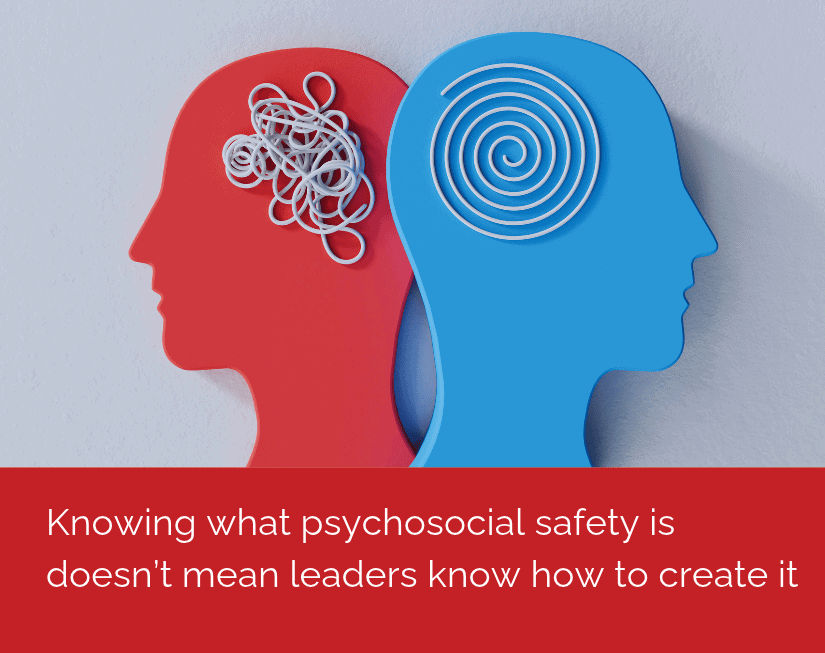
Knowing what psychosocial safety is doesn’t mean leaders know how to create it
Five practical ways leaders can manage psychosocial risks, from designing and planning work to responding when workers raise concerns.

Five practical ways leaders can manage psychosocial risks, from designing and planning work to responding when workers raise concerns.
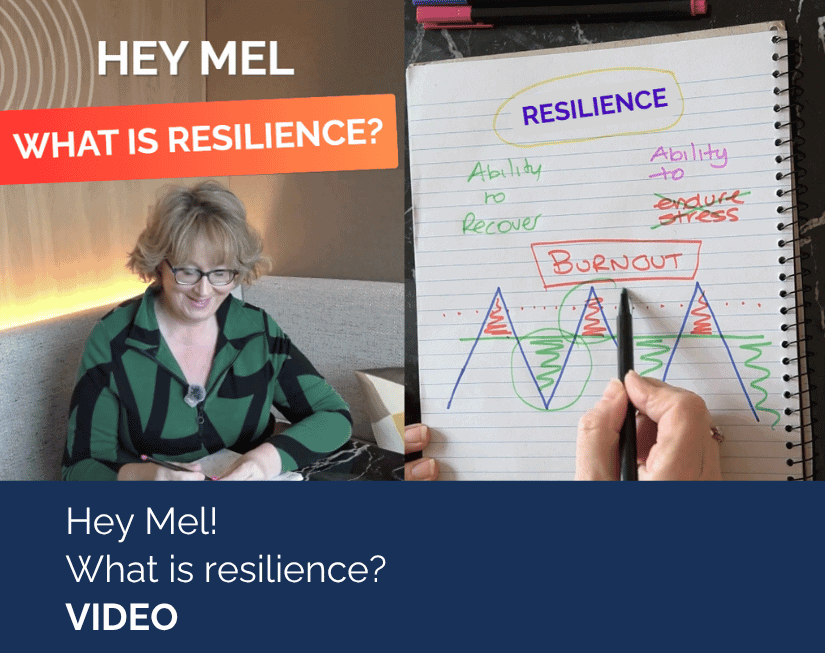
When the pressure builds, do you keep pushing or give yourself time to recover? Melissa Williams explains resilience, why recovery matters, and what it means for the way we work and lead.
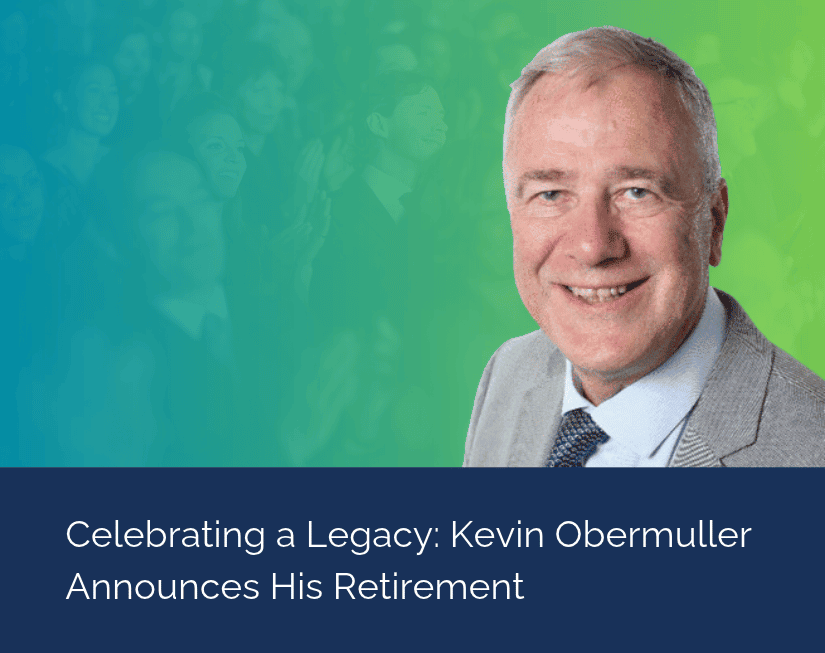
After three decades of shaping Learning Dimensions Network (LDN), we celebrate the retirement of our founding partner, Kevin Obermuller.
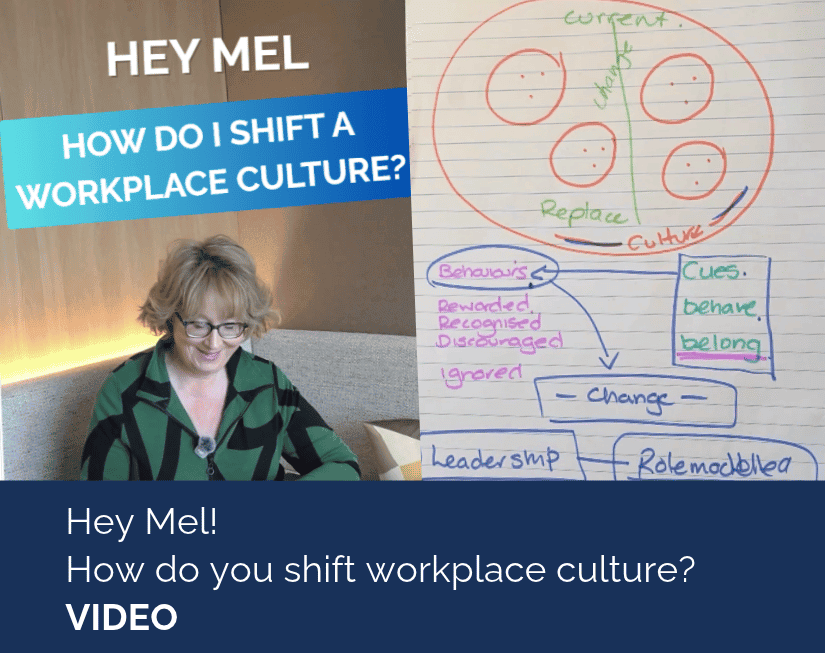
Want to shift your workplace culture? Mel draws out the signals that shape workplace culture and where leaders can begin to make a difference.
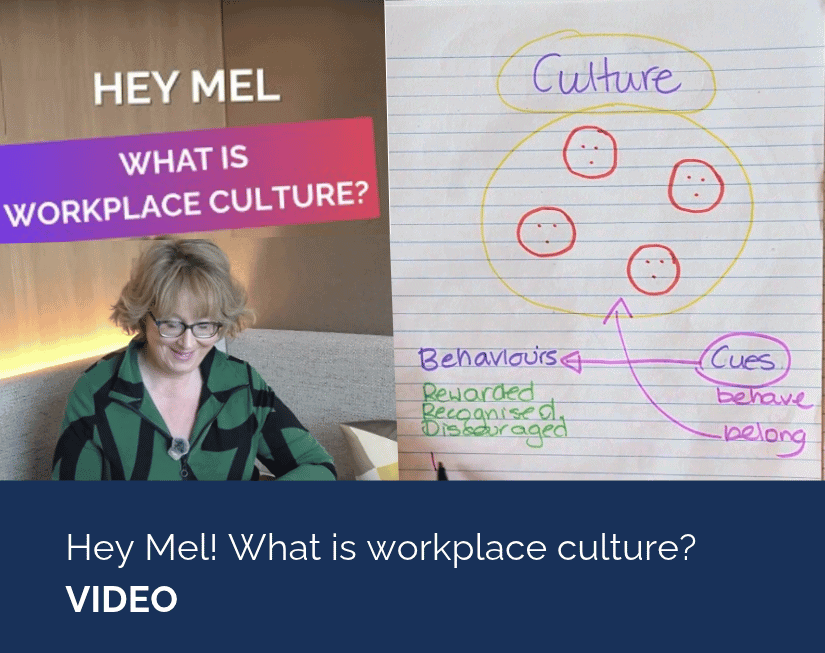
What behaviour gets rewarded in your workplace? What gets discouraged, tolerated or ignored? Mel explains how everyday behaviours and the cues people take from those around them shape “how we do things around here” and build workplace culture.
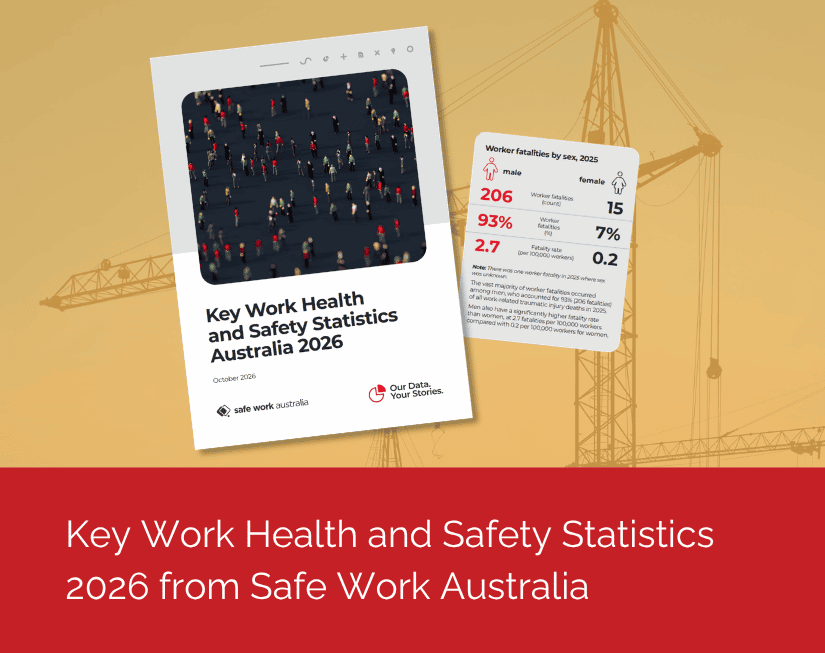
Safe Work Australia’s Key Work Health and Safety Statistics is the 2026 snapshot of WHS in Australia, analysing national safety data on work-related fatalities, injuries, and diseases.
Evaluate whether your training is working, how people apply their learning at work and where to improve with Workplace Dimensions.
Learn how to build a business case for leadership development, address objections and secure the support, budget and commitment to make it work.
Discover how workplace culture forms through everyday behaviours, unwritten rules and team norms, and how these shape the way people work together.
Discover how reflexivity can help leaders build self-awareness, challenge assumptions and make more considered decisions using four practical steps.